Animal Skin Seamless Pattern: Giraffe & Beyond
Understanding the Visual Impact of Giraffe Patterns
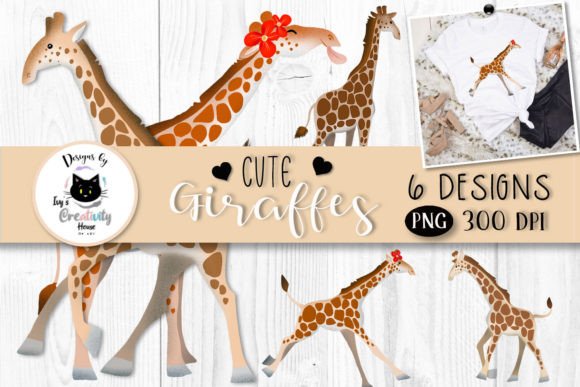
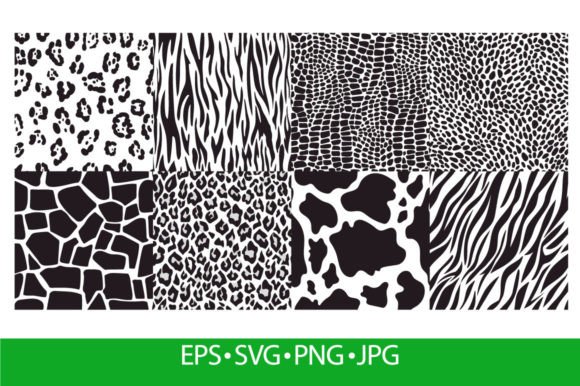
There’s something inherently captivating about the irregular, mosaic-like geometry of a giraffe’s coat. In the context of design assets, an Animal Skin Seamless Pattern: Giraffe offers a distinct organic rhythm that synthetic geometrics simply cannot replicate. Unlike the rigid symmetry of a polka dot or the sharp angles of a chevron, the giraffe pattern features soft, amoeba-like shapes bordered by lighter lines. This creates a texture that feels both structured and wild. It carries a specific personality—earthy, exotic, and grounded—making it a powerful tool for designers looking to evoke nature without resorting to cliché floral motifs.
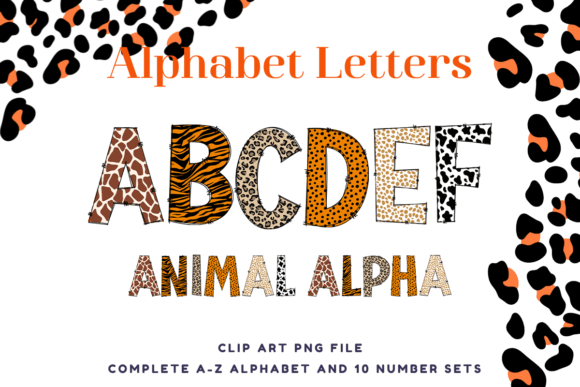
When we look at the broader family of wildlife textures—including leopard, tiger, cow, and zebra prints—the giraffe occupies a unique middle ground. It is bold enough to serve as a focal point in a composition but neutral enough, particularly in classic black-and-white or sepia iterations, to act as a sophisticated background. The "seamless" aspect is crucial here; it ensures that when the pattern is tiled across a surface, the edges disappear, creating an infinite expanse of texture. This technical requirement transforms a simple graphic into a professional-grade design asset, essential for high-quality textile printing, digital backgrounds, and large-scale marketing materials.
Strategic Applications in Branding and Marketing
For entrepreneurs and brand strategists, the decision to incorporate animal prints into a visual identity is a significant one. These patterns are not merely decorative; they are semiotic markers. Using an Animal Skin Seamless Pattern: Giraffe or a leopard print instantly communicates a specific set of values to the audience. It suggests a brand that is bold, fashion-forward, and connected to the natural world. However, the application must be handled with a keen eye for hierarchy to avoid overwhelming the viewer.
From Packaging to Web Design
In packaging design, these textures serve as excellent accent elements. Imagine a luxury cosmetics brand using a spot-UV varnish over a matte giraffe print box; the tactile and visual contrast elevates the product's perceived value. For small business owners in the fashion or lifestyle sector, a giraffe or cheetah pattern on tissue paper, stickers, or shopping bags creates an unboxing experience that feels curated and expensive.
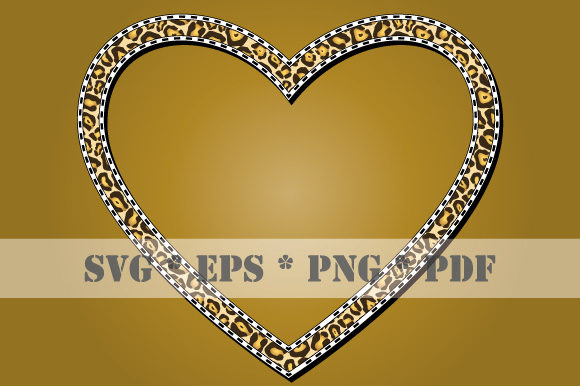
When moving to digital assets, the versatility of these vectors shines. Whether you are working with EPS, SVG, or high-resolution PNGs, the scalability ensures that the pattern remains crisp on Retina displays and mobile screens. In web design, a zebra or cow print texture can be used effectively in hero sections or as a parallax scrolling background, provided the overlay is managed correctly to maintain text legibility. The goal is to use the pattern to add personality without sacrificing the modern typography required for clear communication.
Social Media and Editorial Consistency
For content creators and marketers, consistency is the currency of brand recognition. Incorporating a consistent animal skin texture across Instagram stories, Pinterest pins, and YouTube thumbnails creates a cohesive visual thread. A Animal Skin Seamless Pattern: Giraffe can serve as a signature background for a "Tip Tuesday" series or a "Product Spotlight." Because the pattern is visually distinct, it aids in brand identity recognition; followers will subconsciously associate that specific texture with your content before they even read the text.
Design Mechanics: Pairing and Hierarchy
The true power of a pattern lies in how it interacts with other design elements, particularly typography. Animal prints are visually "busy." They possess high texture and movement. Therefore, they demand a counterbalance to ensure readability and visual hierarchy.
The Art of the Font Pairing
If your background is an Animal Skin Seamless Pattern: Giraffe, your typography needs to be confident and clear. A heavy, textured script font or an overly ornate display font will likely get lost in the visual noise of the pattern, creating a chaotic layout that frustrates the viewer.
- The Clean Contrast: Pair the organic, curved lines of the giraffe print with a geometric sans serif font. The sharp, clean lines of the text will cut through the softness of the pattern, ensuring high legibility. This is ideal for modern typography looks.
- The Editorial Vibe: For a more luxurious or vintage feel, pair the animal texture with a high-contrast serif font. Think of the mastheads of high-fashion magazines. The serif font adds a layer of authority and elegance to the "wild" nature of the print.
- The Minimalist Approach: If you are using the pattern heavily, consider a minimalist font pairing strategy. Use a single weight of a premium font family for all text to reduce cognitive load, letting the texture do the heavy lifting for the aesthetic.
Practical Considerations for Professionals
When evaluating these design assets, it is essential to look beyond the initial aesthetic appeal. As a professional, you must consider the technical delivery. Does the package include vector formats (EPS, SVG) that allow you to recolor the pattern to match specific brand hex codes? Vector files are vital for logo design integration and large-format printing because they can be scaled to infinity without pixelation.
Furthermore, review the licensing. For commercial projects—whether it is a client's website, a t-shirt line, or a digital course—you need assurance that the asset is cleared for commercial use. A "royalty-free" license is standard, but checking the specific terms for print-on-demand (POD) is crucial for crafters and hobbyists looking to monetize their work.
Finally, test the "seam" of the pattern yourself. Zoom in and tile the image in your design software (like Adobe Illustrator or Canva) to ensure the repeat is truly invisible. A high-quality Animal Skin Seamless Pattern: Giraffe should feel like an endless surface, not a grid of repeated images. By adhering to these standards, you ensure that your final product—whether a social media graphic or a physical textile—maintains the professionalism required to stand out in a crowded market. This attention to detail separates amateur projects from professional brand identity